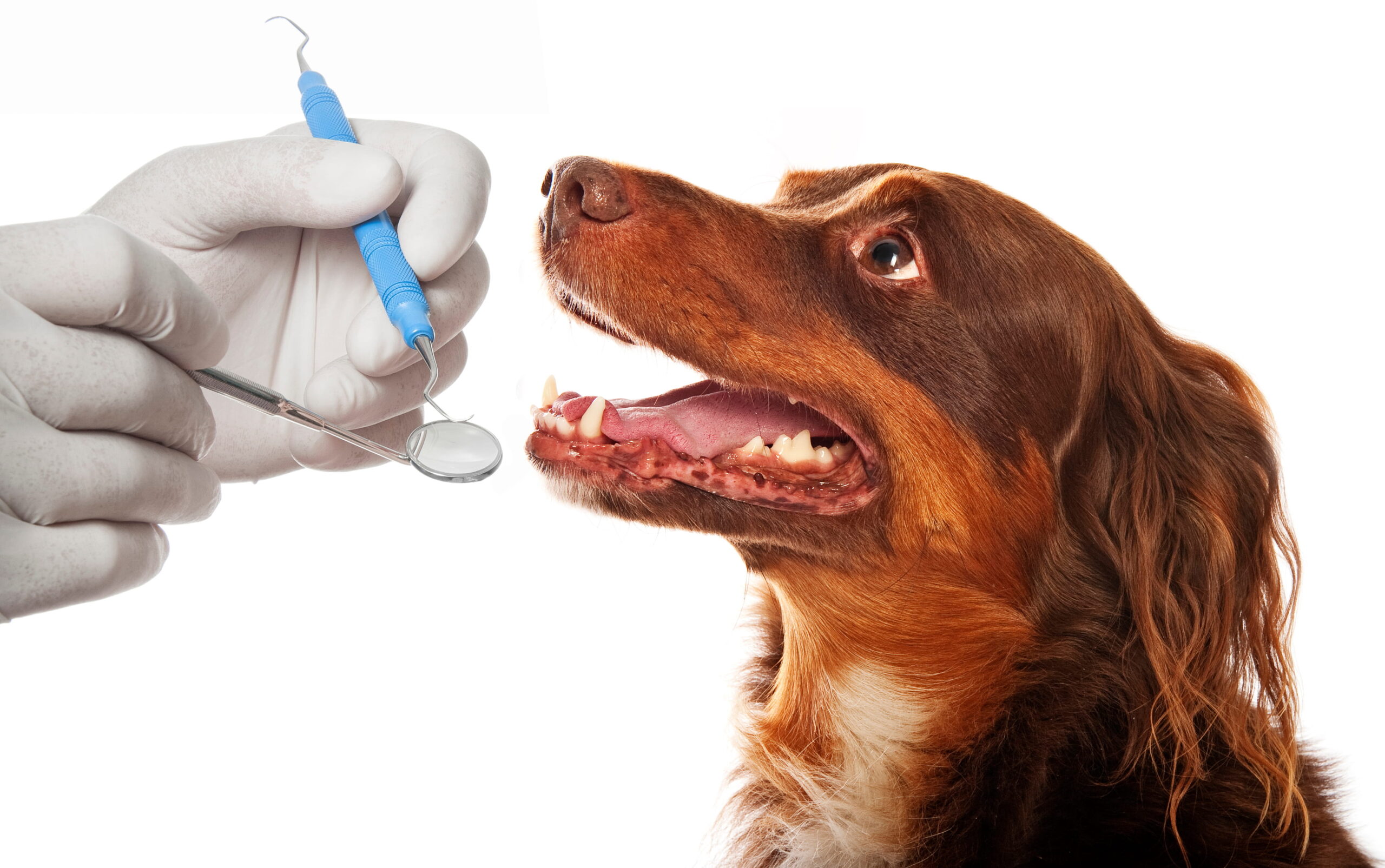
Pet Dental Care in Canton, GA
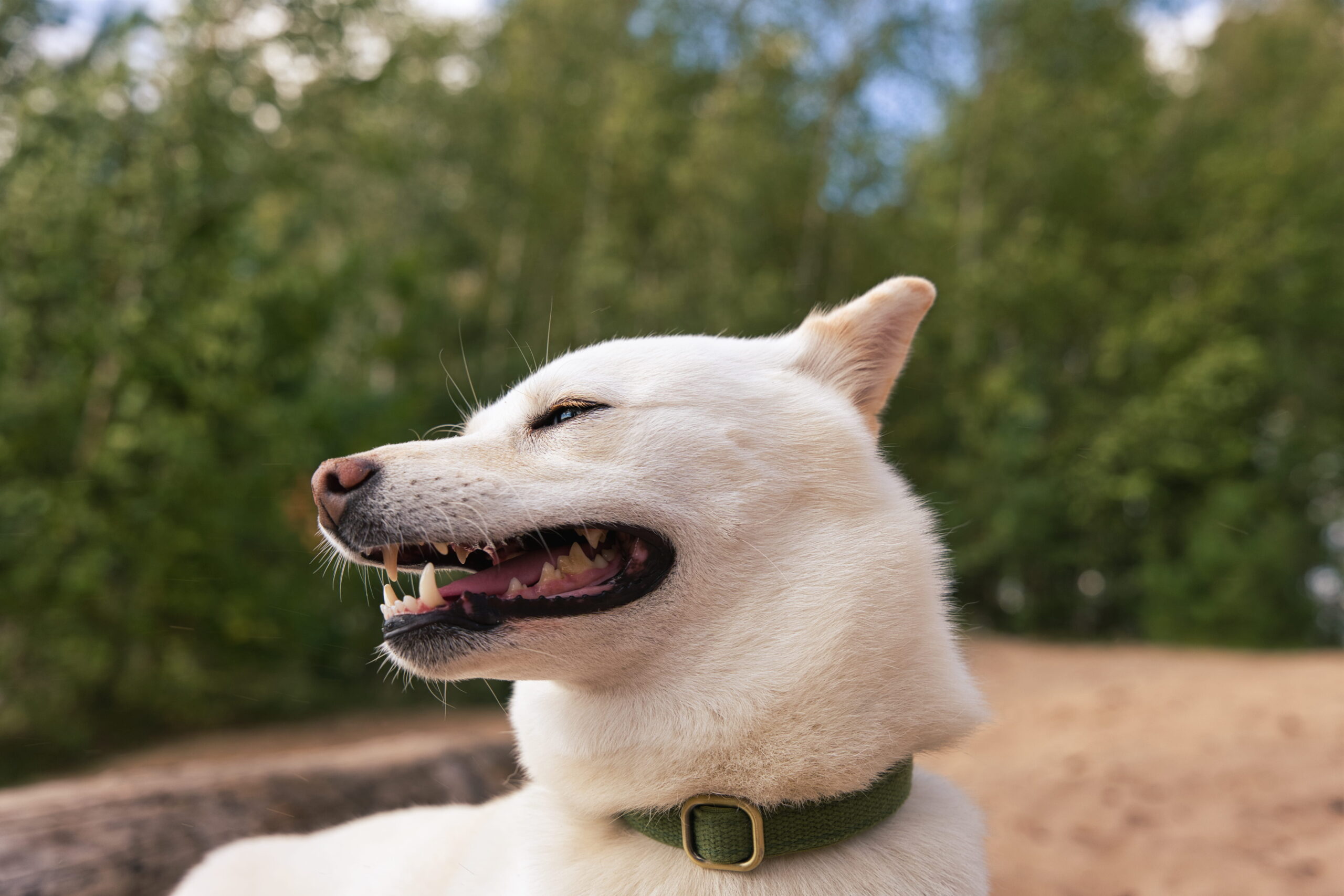
At Hickory Flat Animal Hospital, we treat your pet’s teeth as part of their overall health, not an optional extra. Pet dental care covers everything from routine cleanings to more involved procedures, and Dr. Christy Lindner and our team walk you through each step so you always know what is happening and why. If it has been a while since your dog or cat’s last dental check, our office is a good place to start.
FAQs about Pet Dentistry
What Does a Professional Pet Dental Cleaning Include?
A professional cleaning starts with a full oral exam under anesthesia, followed by scaling to remove plaque and tartar above and below the gumline, polishing, and dental X-rays to check what is happening beneath the surface. Dental cleanings are not the same as brushing, since most of the disease we are treating happens below the gumline where you cannot see it. Dental care is one part of the full range of veterinary services we provide, and we will walk you through what we found and what, if anything, needs follow-up before your pet goes home, including photos when it helps to see what we are describing.
Why Are Dental X-Rays Necessary for My Pet?
Most dental disease in dogs and cats happens below the gumline, which means a visual exam alone misses a lot. Dental X-rays let us see root health, bone loss, and hidden infections that would otherwise go undetected until they caused pain or a more serious problem. Skipping X-rays is a bit like cleaning a house without checking behind the walls, it looks fine on the surface even when there is a real problem underneath.
When Does My Pet Need a Tooth Extraction?
A tooth extraction becomes necessary when a tooth is fractured, severely decayed, loose from bone loss, or causing pain that cannot be resolved another way. We only recommend extraction when it is truly the healthiest option, and we always explain our reasoning first, usually with the X-ray images helping us make an informed decision. Most pets recover quickly and often seem more comfortable within days, since a painful tooth is usually worse for them than losing it.
What Are the Signs of Dental Disease in Dogs and Cats?
Bad breath is the most obvious sign, but it is far from the only one, and it is easy to write off as normal until you know what else to look for. Watch for yellow or brown buildup on the teeth, red or bleeding gums, dropping food while eating, pawing at the mouth, or a sudden preference for softer food.
- Persistent bad breath
- Visible tartar buildup along the gumline
- Red, swollen, or bleeding gums
- Reluctance to chew or eat on one side
Is Anesthesia Safe for My Pet's Dental Procedure?
We understand anesthesia can feel like the scariest part, so we treat it that way too. An IV catheter for fluids, and continuous monitoring of heart rate, oxygen levels, and blood pressure throughout the procedure. Anesthesia protocols are adjusted for age, breed, and health history, and a dedicated team member is watching your pet the entire time, not just checking in periodically. Senior pets and pets with existing health conditions get extra precautions built into their plan, not the same default protocol used for a healthy young adult.
How Often Should My Pet Have a Dental Cleaning?
Most dogs and cats benefit from a professional cleaning once a year, though it can vary based on breed, age, and how much tartar builds up between visits. Smaller breeds and pets prone to dental disease sometimes need cleanings more often, while some larger dogs can go a bit longer between procedures. We will check your pet’s teeth at every wellness visit and let you know honestly when it is time, rather than pushing a cleaning your pet does not yet need.
What Happens During Recovery After a Dental Procedure?
Most pets are back to themselves within a day or two, though they may be a little groggy the evening of the procedure. We will send you home with clear instructions on food, activity, and any medication, and we are always a phone call away if something does not seem right. Pain medication is sent home whenever it is needed, and we will tell you exactly what normal recovery looks like so you know what to watch for.
- Soft food for 2 weeks if extractions were performed
- No chewing on hard toys while healing
- A follow-up call to check on your pet’s recovery
Can Poor Oral Health Affect My Pet's Overall Health?
Yes, and the connection runs deeper than most people expect. Bacteria from untreated dental disease can enter the bloodstream and affect other organs over time, not just the mouth. Keeping up with pet oral health is one of the more overlooked ways to protect your pet’s long-term wellness, and it is often one of the easiest to stay ahead of, since regular cleanings are far less costly than treating the health issues that untreated dental disease can eventually cause.
What Can I Do at Home to Support My Pet's Teeth?
Daily brushing is the gold standard if your pet will tolerate it, using a pet-safe toothpaste rather than human toothpaste. Dental chews, water additives, and specially formulated dental diets can help between cleanings, though none of them replace a professional cleaning entirely. We are happy to show you brushing techniques that work in a real living room, not just in a demonstration video, and to help you find a routine your pet will actually put up with.
At What Age Should My Puppy or Kitten Start Dental Care?
Start paying attention early, even before adult teeth come in. We will check your puppy or kitten’s mouth at their wellness visits, watch for retained baby teeth, and talk through a home care routine while it is easiest to build the habit. Getting a young pet comfortable with having their mouth handled now makes every future dental visit easier, and it is a habit that pays off for the rest of their life.
Why Choose Hickory Flat Animal Hospital for Pet Dentistry
We have been part of this community since 1993, and that history shows up in how we handle dental care: honest recommendations, real conversations about what a procedure involves, and a team that treats your pet like part of the family Dr. Lindner reviews every dental case personally before recommending a next step, rather than leaving that decision to a checklist, as part of the same complete care we provide at every visit.
- Full anesthesia monitoring and dental X-rays on every procedure
- Clear, upfront explanations before any extraction is recommended
- Early morning drop-off appointments starting at 7:30 a.m.
What Feels Right for Your Pet’s Smile? Book a Dental Visit
If it has been a while since your dog or cat’s teeth were checked, there is no better time than now. Our team at Hickory Flat Animal Hospital is ready to help families throughout Canton, GA get ahead of dental disease before it becomes painful or expensive to treat. Whatever feels right for your pet, from a first cleaning to a second opinion, we are happy to talk it through. Call us at 770-345-2816 or reach out through our contact page to schedule your pet’s dental visit.