
Specialty Pet Care in Canton, GA
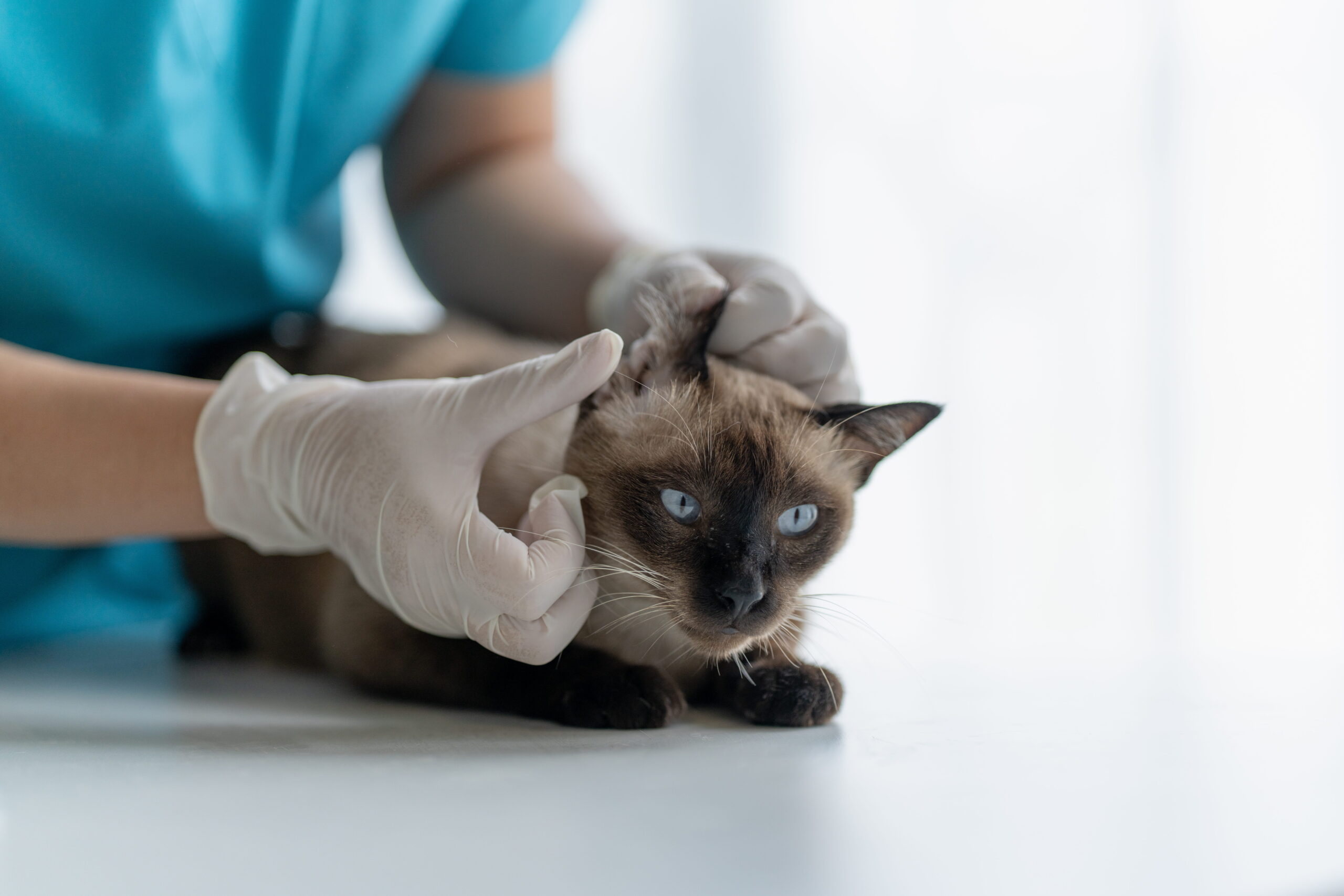
Aging is different for every pet, and at Hickory Flat Animal Hospital, our approach to senior pet care reflects that. From the first signs of slowing down to the hardest decisions a family can face, Dr. Christy Lindner and our team walk alongside you, not just your pet. If your dog or cat is entering their senior years or living with a chronic condition, we are here to help you figure out what care looks like next, one honest conversation at a time rather than a single appointment that tries to cover everything at once.
FAQs about Specialty Pet Care
What Does Specialty Care Mean for Aging Pets?
Specialty care covers the services that become more important as pets get older: geriatric care, pain management, and end-of-life support when the time comes. Rather than treating aging as a single condition, we look at your pet’s mobility, comfort, appetite, and quality of life as a whole picture, and build a plan around what matters most to your family, alongside the rest of the veterinary care we provide. Some pets need this kind of care because of age alone, and others arrive at it sooner because of an illness or injury that changes what day to day comfort looks like.
How Do I Know When My Pet Needs Geriatric Care?
Slower to rise, less interest in walks, weight changes, cloudier eyes, or more frequent naps are common early signs. Geriatric care typically starts around seven years old for larger breeds and a bit later for smaller dogs and cats, though it depends on your pet’s health history. We will help you recognize what is a normal part of aging and what is worth addressing directly, since the two can look similar at first glance but call for very different responses.
- Reduced mobility or stiffness after rest
- Noticeable weight loss or gain
- Increased sleeping or reduced interest in play
- New sensitivity around being touched or picked up
What Does End-of-Life Support Look Like for My Family?
End-of-life support means honest conversations, a clear picture of your pet’s comfort, and a team that stays present with you through every part of the process, not just the medical side. We talk openly about quality of life, what to watch for, and the options available for comfort-focused care as a pet’s condition progresses, whether that means hospice-style comfort care at home or making a decision at our office. You are never rushed and never alone in the room, and our team makes time for these visits rather than fitting them between other appointments.
How Is Chronic Pain Managed in Dogs and Cats?
Pain management plans are built around the specific source of discomfort, whether that is arthritis, dental disease, or a chronic condition like cancer. Options can include medication, joint supplements, weight management, and changes at home like softer bedding or ramps instead of stairs. The goal is always the same: keeping your pet as comfortable and mobile as possible for as long as possible, and adjusting the plan as their needs change.
What Are the Signs My Senior Pet Is in Pain?
Pets are good at hiding discomfort, so the signs are often subtle: limping, reluctance to jump or climb stairs, changes in appetite, panting at rest, or general withdrawal. A pet that seems just slower lately is sometimes managing more discomfort than it looks like from the outside. If something feels off, it is always worth a visit rather than waiting to see if it passes on its own, and there is no such thing as an overly cautious question when it comes to your pet’s comfort.
How Often Should Senior Pets Have Wellness Checkups?
Most senior pets benefit from checkups every six months rather than once a year, since conditions like arthritis, kidney disease, and dental disease tend to progress faster than owners expect. More frequent visits give us more chances to catch a change early and adjust a geriatric care plan before a small issue becomes a bigger one. Bloodwork at these visits often tells us more than the physical exam alone, since organ function can shift well before outward symptoms appear.
What Support Is Available During Hospice or Palliative Care?
When a cure is not the goal, we shift focus to comfort: pain control, appetite support, mobility aids, and guidance on what to expect as things progress. We stay available to answer questions between visits, because this stage often brings new concerns day to day, and families deserve a team they can reach rather than one that goes quiet after a diagnosis. We will also help you recognize the signs that it may be time to revisit the plan, so you are never navigating that alone.
Can Pain Management Improve My Pet's Quality of Life?
Absolutely, and often more than families expect. A pet that seemed to be slowing down with age will frequently perk back up, move more easily, and seem more like themselves once pain is properly addressed. We reassess regularly, because a pain management plan that worked six months ago may need adjusting as your pet’s needs change over time. Families are often surprised at how much of what they assumed was just old age turns out to be manageable discomfort.
How Do You Help Families Through Difficult Decisions?
We start with an honest assessment of your pet’s comfort and quality of life, then talk through what the options actually mean day to day, not just in medical terms. What feels right for one family will not look the same as it does for another, and we treat it that way. Whatever you decide, our team stays present through the process, in the room with you, answering questions as they come up rather than all at once.
What Should I Expect During a Geriatric Wellness Visit?
A geriatric visit includes a thorough exam focused on mobility, weight, organ function, and comfort, often paired with bloodwork to catch internal changes that are not visible from the outside. We will talk through anything we find in plain language, and build next steps together rather than handing you a list of numbers to interpret on your own at home. These visits tend to run a little longer than a standard checkup, because there is usually more to talk through and we would rather take the time than rush it.
Why Choose Hickory Flat Animal Hospital for Specialty Pet Care
Families who have been through the hardest visits with us often mention the same thing: they never felt like just another appointment. That comes from being a family-run practice since 1993, not a rotating staff, and from Dr. Lindner’s approach of being in the room for the difficult conversations, not just the routine ones. Our reviews consistently point back to this, clients describing being treated with patience and honesty during some of the hardest moments they have had with a pet, across every part of the care we provide.
- In-room exams and conversations, every visit, difficult or routine
- A team that responds personally, not through a call center
- Same-day flexibility when a pet’s comfort cannot wait
What Feels Right for Your Family? Talk to Us About Specialty Care
If your pet is entering their senior years, managing chronic pain, or you are facing a decision no family wants to make, our team at Hickory Flat Animal Hospital is here for families throughout Canton, GA. You do not need to have the right words for what you are feeling before you call us. Reach us at 770-345-2816 or through our contact page, and let’s talk through what feels right for your pet and your family.