Pet Surgery in Canton, GA
When your dog or cat needs surgery, the wait can feel like the hardest part. At Hickory Flat Animal Hospital, our approach to pet surgery is built around clear communication and real safety measures, not just a scheduled procedure and a pickup time. Dr. Christy Lindner and our team will walk you through exactly what your pet needs and why before anything is scheduled, so you are never left guessing about what a recommendation actually means for your pet.
FAQs about Pet Surgical Services
What Surgical Services Does Hickory Flat Animal Hospital Provide?
Our surgical services cover spay and neuter, mass removals, and abdominal surgeries such as cystotomies, all performed on-site by a team your pet already knows. We do not send routine procedures out to an unfamiliar facility, which means the same doctors who examine your pet during the rest of our veterinary services are the ones performing their surgery and overseeing recovery. That continuity tends to matter more than families expect, both for how smoothly the day goes and for how comfortable your pet feels walking in the door.
- Spay and neuter procedures
- Mass and tumor removals
- Abdominal surgery, including cystotomies
When Should I Consider Spay or Neuter Surgery for My Pet?
Most veterinarians recommend spay or neuter surgery in the first year of life, though the right timing can vary by breed size and individual health. Beyond preventing unwanted litters, the procedure lowers the risk of certain cancers and eliminates heat cycles and related behaviors. Larger breed dogs sometimes benefit from waiting a bit longer, since growth plates and joint development factor into the decision too. We will talk through timing that makes sense for your specific pet rather than applying a blanket rule to every patient that comes through the door.
What Happens During a Mass Removal Procedure?
When we find a lump or mass during an exam, we typically recommend testing it first to understand what we are dealing with before deciding on removal. A mass removal procedure involves surgically excising the growth, sending tissue for analysis when appropriate, and closing the site with careful attention to healing. Many masses are benign, but removing them early is almost always simpler than waiting, both for the size of the procedure and for your pet’s comfort during the process. We will always explain what the testing showed before recommending surgery, not after.
What Is a Cystotomy and Why Might My Pet Need One?
A cystotomy is a surgical procedure to remove bladder stones or other material from the bladder, usually recommended when a pet is showing signs of urinary discomfort, straining, or blood in the urine. Left untreated, bladder stones can cause a painful blockage, especially in male cats and dogs, which makes this a procedure we do not recommend waiting on once it is diagnosed. Diagnostic imaging beforehand confirms what we are dealing with, so surgery is scheduled with a clear picture rather than a guess.
How Is Anesthesia Monitored to Keep My Pet Safe?
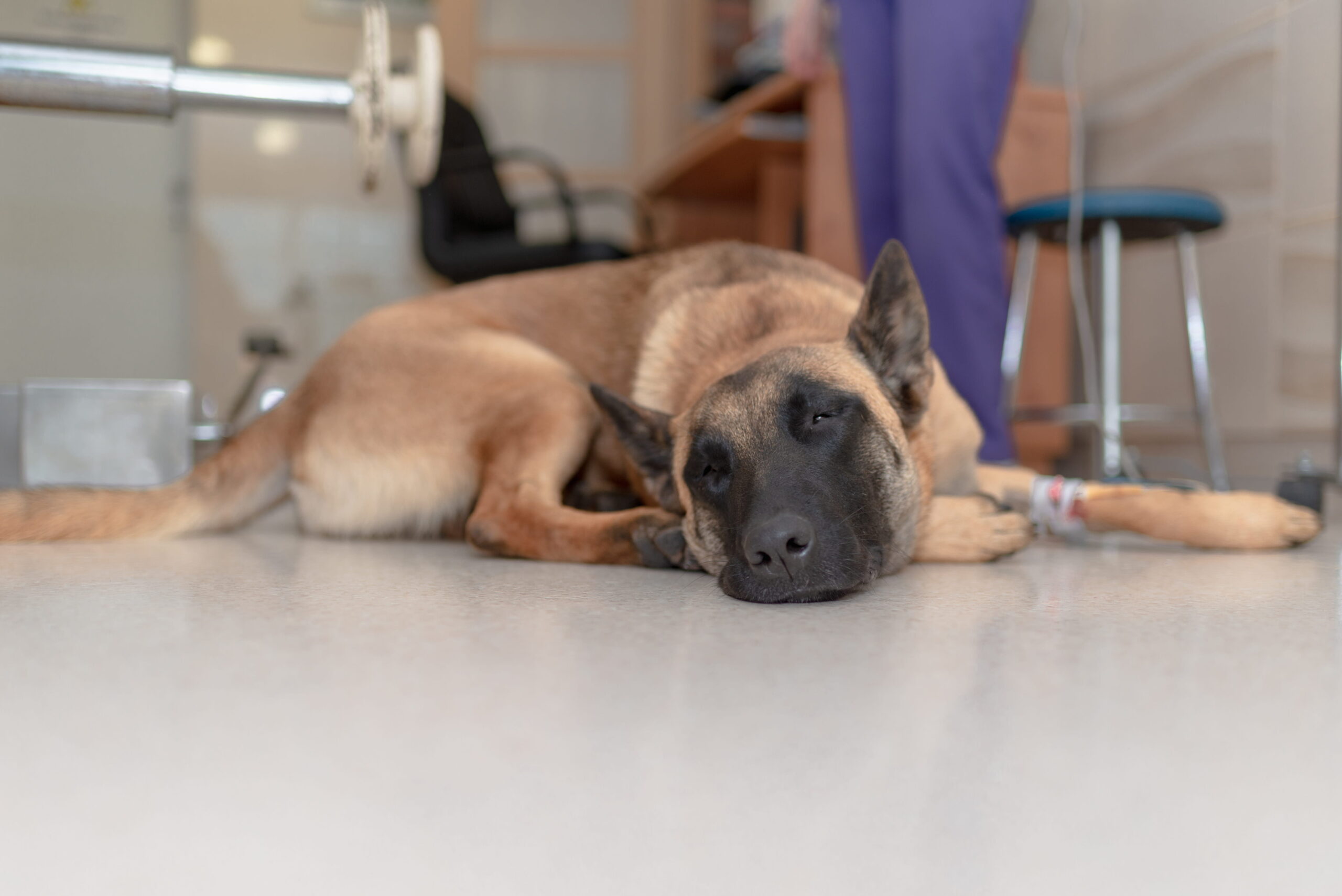
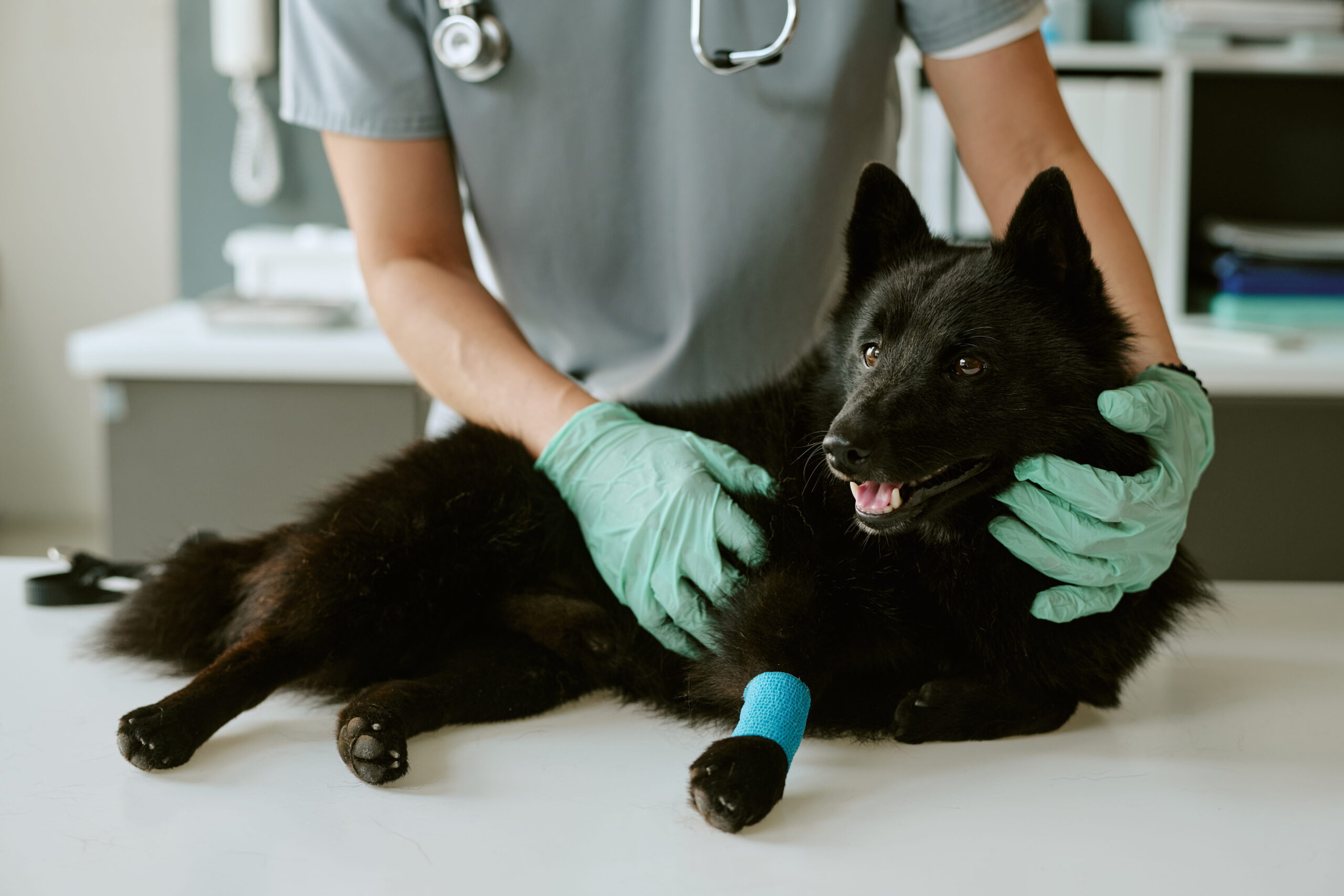
Every surgical patient has the option to include pre-anesthetic bloodwork until the age of 7 when we do require it at that point, an IV catheter for fluids, and continuous monitoring of heart rate, oxygen levels, blood pressure, and temperature throughout the procedure. Anesthesia monitoring is handled by a dedicated team member watching your pet the entire time, not a machine left to run on its own, and protocols are adjusted for age, breed, and any existing health conditions. Senior pets, pets with prior health issues, and brachycephalic breeds all get an adjusted plan built around their specific risk factors rather than a one-size-fits-all approach, and we are always glad to walk through those adjustments with you beforehand.
What Should I Expect Before My Pet's Surgery?
We will walk you through pre-surgical bloodwork, fasting instructions, and what the day of the procedure looks like from drop-off to pickup. Early morning appointments starting at 7:30 a.m. make drop-off easier before work, and we will call you with updates rather than leaving you to wonder how things are going throughout the day.
- Pre-surgical bloodwork to confirm your pet is a safe candidate
- Fasting instructions for the night before
- A call from our team once the procedure is complete
How Long Does Recovery Take After Abdominal Surgery?
Recovery from abdominal surgery typically takes ten to fourteen days, during which activity needs to be limited and the incision kept clean and dry. Most pets are eating normally and acting like themselves within a day or two, even while the incision itself is still healing underneath, which is exactly when it is easiest for an active dog to overdo it. We will send you home with specific instructions and check in to make sure recovery is on track, not just hand you a paper and send you on your way.
What Are the Signs My Pet May Need Surgery?
A new lump, difficulty urinating, persistent vomiting, sudden limping, or an injury that is not healing on its own are all reasons to schedule an exam. Not every one of these signs means surgery is the answer, but they are worth evaluating promptly rather than waiting to see if things improve on their own. An accurate diagnosis is always the first step before we talk about a surgical plan, and we will tell you plainly if surgery is not actually the best option for what we are seeing.
How Is Pain Managed After a Surgical Procedure?
Every surgical patient goes home with a pain management plan suited to their procedure, and we adjust it based on how your pet is doing during recovery. Signs of discomfort, like reluctance to move, panting, or changes in appetite, are always worth a call so we can reassess rather than assuming it will pass on its own. We would much rather hear from you and adjust the plan than have your pet spend an extra day uncomfortable.
Is Surgery Performed On-Site at Hickory Flat Animal Hospital?
Yes. Routine and soft tissue surgeries happen right here at our office, performed by the same doctors who know your pet’s history rather than a facility you have never visited. For cases that need a specialist, such as advanced orthopedic surgery, we will refer you to a trusted partner and stay involved in your pet’s care throughout, so you are never simply handed off without a plan.
Why Choose Hickory Flat Animal Hospital for Pet Surgery
We have been a family-run part of this community since 1993, and every surgical patient gets the same in-room communication we bring to every service we provide, not just the routine ones. You will know what is happening with your pet at each step, not just at pickup, and you will hear it directly from the team who performed the procedure rather than a front desk relay.
- Full pre-surgical bloodwork and continuous anesthesia monitoring
- Surgery performed by doctors who already know your pet
- Early morning drop-off appointments starting at 7:30 a.m.
- Recognition as Best of Cherokee Veterinary Clinic in 2025 and 2026
What Feels Right for Your Pet? Talk to Us About Surgery
If your pet needs surgery, or you simply have questions about whether it is the right next step, our team at Hickory Flat Animal Hospital is ready to talk it through with families throughout Canton, GA. You do not need a scheduled procedure to call and ask a question. Call us at 770-345-2816 or reach out through our contact page, and let’s figure out together what feels right for your pet.