Pet Wellness Exams in Canton, GA for Dogs and Cats
Maybe your dog is due for a checkup. Maybe your cat hasn’t seen a vet since the adoption paperwork, and you’re not sure where to start. Either way, a yearly exam is the right first step, and it’s one of the appointments we see most often at Hickory Flat Animal Hospital. Families in Canton, GA have been bringing their dogs and cats to us since 1993, and many of those relationships started with a simple checkup. You don’t need a problem to book one. A healthy pet is exactly who this visit is for, and with mosquitoes active through most of the year in Georgia, the yearly heartworm test alone makes it worth keeping on the calendar.
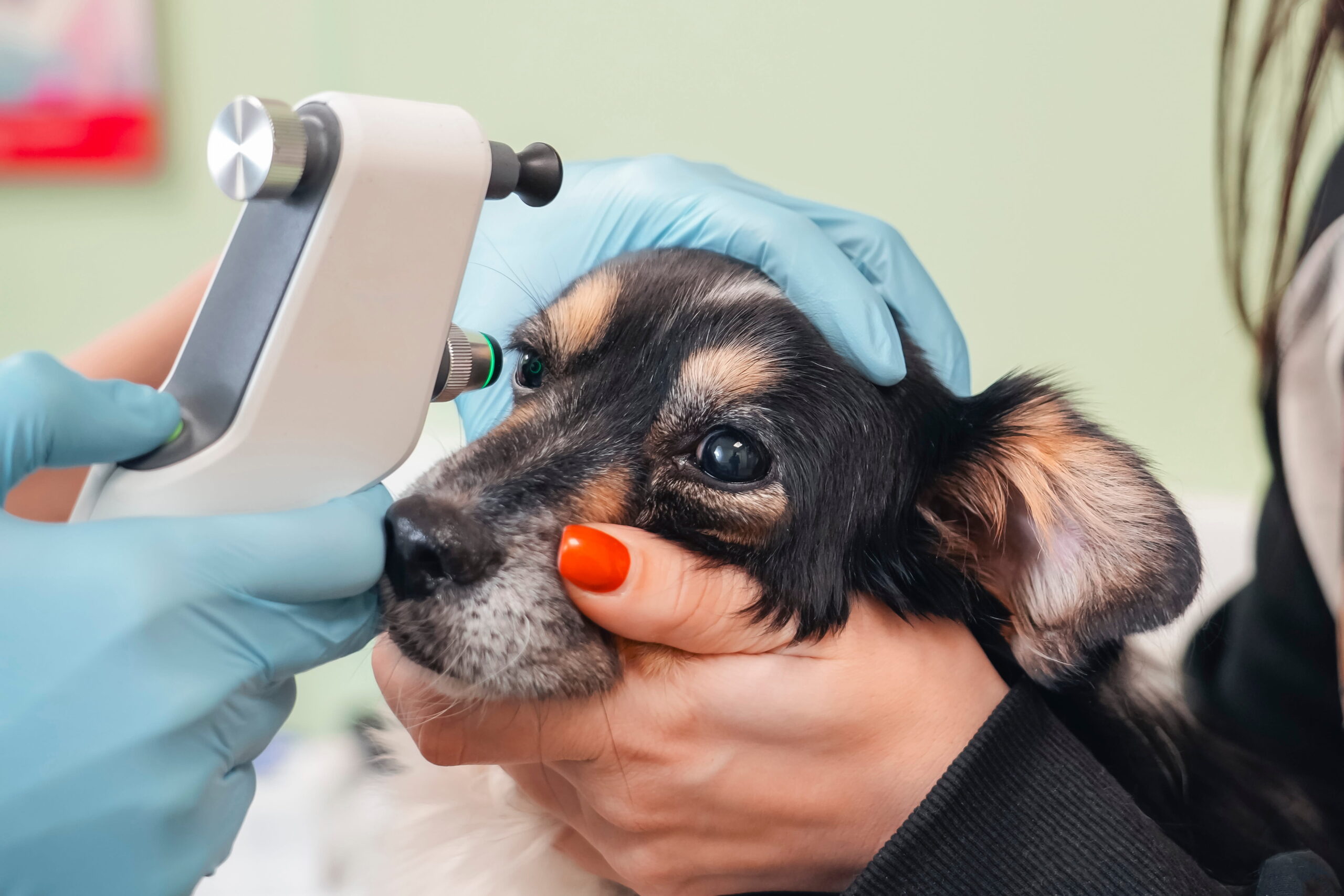
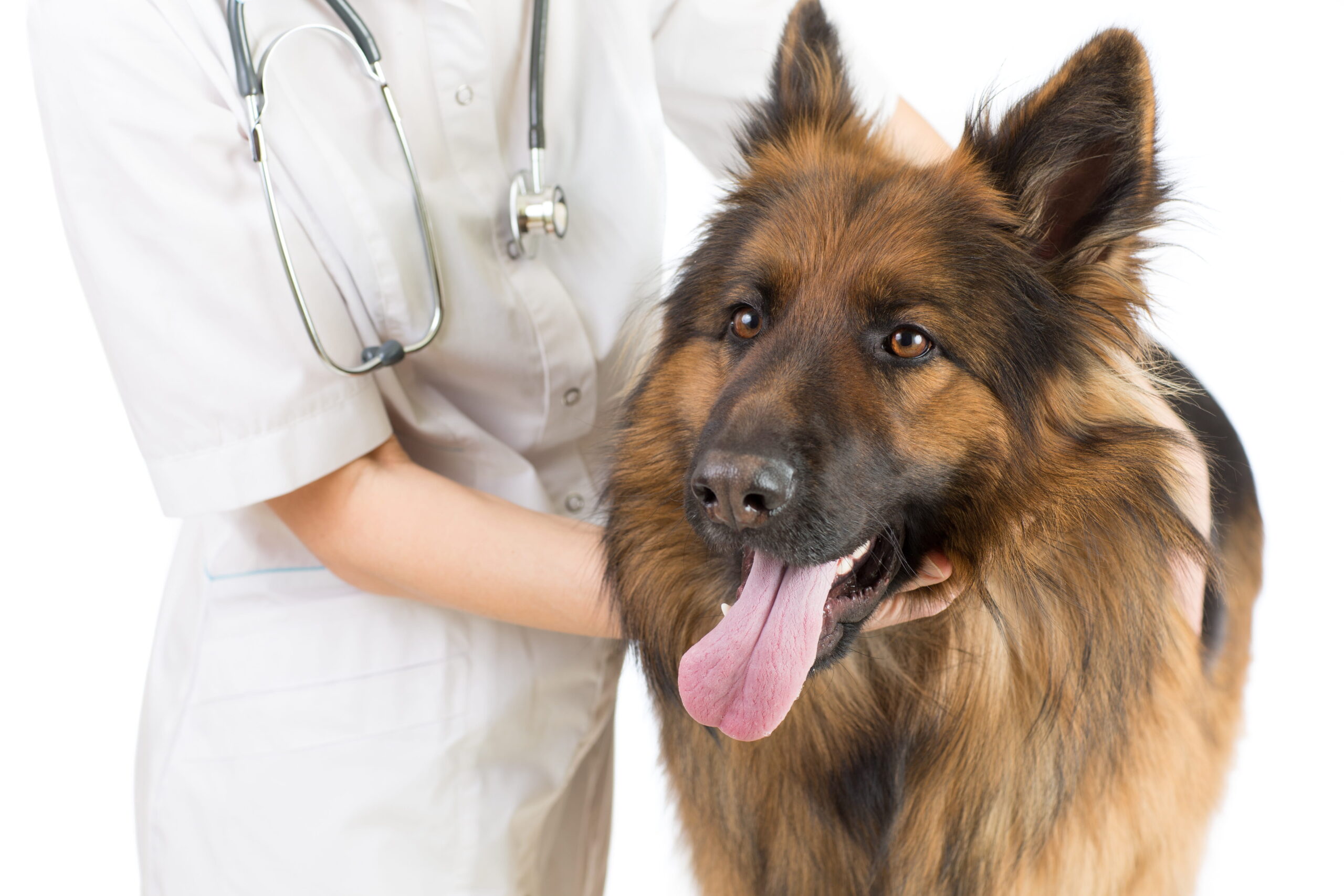
A wellness visit with Dr. Christy Lindner and our team centers on a nose-to-tail exam done right in the exam room with you. We weigh your pet, listen to the heart and lungs, look at the eyes, ears, teeth, and skin, and feel along the belly and joints for anything new. Depending on age and history, we may add a fecal test for intestinal parasites or wellness bloodwork to check organ function. Most of the hands-on exam takes only a few minutes, and the conversation afterward usually takes longer. Healthy adult dogs and cats need this once a year, while puppies, kittens, and seniors come in more often.
The real payoff shows up over years, not in one appointment. Every exam adds to a running record of what’s normal for your pet, so a two-pound weight drop or a small rise in a kidney value stands out against last year’s numbers instead of getting lost. That record is what turns a checkup into early detection. Nervous dogs and carrier-hating cats also tend to settle faster when you stay with them, which is how every exam here works. You’ll see what we’re checking and hear what we find as we go, not in a summary at the front desk, and appointments start at 7:30 a.m. if you need to fit one in before work.
FAQs about Vet Wellness Exams
What Does a Nose-to-Tail Exam Actually Check?
A nose-to-tail exam checks every major body system by sight, touch, and stethoscope, starting at the face and working back. Here’s roughly the order we follow:
- Eyes, ears, and nose for discharge, redness, or cloudiness
- Mouth, teeth, and gums for tartar, broken teeth, or sore spots
- Heart and lungs for murmurs, irregular rhythms, or unusual breathing sounds
- Lymph nodes, belly, and skin for lumps, swelling, or tenderness
- Joints and gait for stiffness, clicking, or uneven weight bearing
- Coat, nails, and body condition, which tells us more than the scale alone
Each finding goes into your pet’s chart, so next year’s exam has something real to compare against.
Which Tests Are Usually Part of a Wellness Exam?
The most common add-ons are a heartworm test, a fecal test, and wellness bloodwork, chosen by your pet’s age and lifestyle. Dogs on year-round prevention still need the heartworm screening every year, because a missed dose or a chewable spit out behind the couch can let an infection develop quietly. A stool check looks for roundworms, hookworms, and other parasites, some of which can spread to people. Bloodwork measures organ function, blood cell counts, and blood sugar. In a young pet it sets a baseline. In an older pet it can flag kidney or liver changes months before you’d notice anything at home. We’ll explain why we’re recommending each test before we run it.
How Should I Prepare My Pet for a Wellness Visit?
Bring a fresh stool sample, any past records, and a short list of what you’ve noticed at home. That list often matters more than people expect, because you see your pet every day and we see them once a year.
- Changes in appetite, thirst, energy, or bathroom habits
- The name of your pet’s food, treats, medications, and supplements, or a quick photo of the labels
- A stool sample collected that morning if possible, sealed in a bag
- Cats in a secure carrier and dogs on a leash
If car rides stress your pet out, leave the carrier open at home for a few days beforehand and try a couple of short practice drives.
How Long Does a Wellness Exam Take?
Most checkups take somewhere between half an hour and an hour from arrival to checkout. The physical exam moves quickly. Time adds up with vaccines, a blood draw, and the conversation afterward that follows, which we don’t rush. A first visit with a new puppy, kitten, or adopted adult usually runs longer because we’re reviewing records and getting to know your pet’s history. Some lab results come back after you’ve gone home, and we’ll follow up with you once they’re in.
Why Does a Healthy Pet Still Need a Yearly Checkup?
Because dogs and cats are very good at hiding illness, and a yearly exam finds what they won’t show you. Pets age faster than we do, so twelve months between visits is a long stretch in a dog’s or cat’s life. Dental disease, early arthritis, slow weight gain, and heart murmurs are some of the most common things we find in pets their families thought were perfectly fine. National preventive care guidelines for dogs and cats recommend an annual pet checkup for exactly this reason, including for indoor cats. Catching a problem at this stage usually means a simpler plan, a lower bill, and more good years.
Are Puppy and Kitten Exams Different from Adult Exams?
Yes. Puppies and kittens come in every three to four weeks until they’re about four months old, and each of those visits has a different job than an adult checkup. Early visits focus on the vaccine series, deworming, and catching things that show up young, like heart murmurs, hernias, or baby teeth that don’t fall out on schedule. We also talk through house training, socialization, and when to think about spaying or neutering. Once your pet is grown, a dog wellness exam or cat wellness exam shifts toward maintenance: weight, teeth, parasite prevention, and tracking any slow changes.
What Questions Should I Ask During My Pet's Checkup?
Ask about weight, teeth, vaccines, and anything that’s changed at home since the last visit. A few good starting points:
- Is my pet at a healthy weight, and what should they weigh?
- How do the teeth and gums look, and is a cleaning coming up?
- Which vaccines does my pet need for how we actually live?
- Is this lump, habit, or change worth watching?
- What should I keep an eye on before the next visit?
If something has bugged you for months, like a new reluctance to jump on the couch, bring it up.
How Much Does a Pet Wellness Exam Cost?
The total depends mostly on what’s added to the exam itself, such as vaccines, a heartworm screening, a stool check, or bloodwork. A young, healthy adult might only need the exam and a vaccine or two, while a senior’s visit often includes more lab work. We’ll go over what we’re recommending and why before we do it, so nothing at checkout catches you off guard. If budget is tight, tell us. We can prioritize what matters most today and plan the rest for a later visit. Some pet insurance plans offer wellness add-ons, so check what your policy includes.
Can Behavior and Diet Concerns Come Up at a Wellness Visit?
Yes, and we’d rather hear about them early. A routine vet visit is a good time to mention chewing, scratching furniture, accidents in the house, picky eating, begging, or questions about switching foods. Behavior changes sometimes start with a medical cause, like a urinary infection behind litter box trouble or sore joints behind a sudden grumpiness, so we check for that first. If the concern needs more time than a checkup allows, we offer dedicated behavioral and nutritional counseling visits where we can build a step-by-step plan with you.
What Happens if the Vet Finds Something During the Exam?
We tell you right there in the room, explain what it could mean, and lay out your options before anything else happens. A new lump might call for a quick needle sample to see what kind of cells it contains. A heart murmur might mean chest X-rays. A borderline kidney value might simply mean rechecking bloodwork in a few months. Not every finding needs action today, and we’ll be honest about which ones can wait. You’ll leave knowing what we found, what the next step is, and why we’re suggesting it, so you can decide what feels right for your family.
Why Choose Hickory Flat Animal Hospital for Wellness Exams
We’re a family-run animal hospital that has cared for pets in this community since 1993, and many of our clients have been with us through two or three generations of dogs and cats. That continuity matters for checkups, because the same team sees your pet year after year and notices when something is different. Wellness exams are also the front door to the rest of our veterinary services, from dental care to surgery, and they’re part of our broader preventive and wellness care for every age.
- Exams done in the room with you from start to finish
- Weekday appointments starting at 7:30 a.m.
- A bilingual team, including Spanish-speaking staff
- Prescription refills through our Covetrus online pharmacy
- Same-day sick visits when something comes up between checkups
Let’s Plan Your Pet’s Next Checkup Together
Whether it’s been a year or you honestly can’t remember the last visit, a checkup is the easiest way to get back on track. Our team at Hickory Flat Animal Hospital in Canton, GA will walk you through every part of the exam with your pet right beside you, and you’ll leave with a plan you actually understand. Call us at 770-345-2816 or schedule a visit at our Canton office, and let us know what’s been on your mind. What feels right for your family is where we’ll start.