Spay and Neuter in Canton, GA for Dogs and Cats
Maybe you just brought home a new puppy, or your kitten is getting close to her first heat and the questions are starting to pile up. Spaying or neutering is one of the biggest health decisions you’ll make in your pet’s first year, and it’s one we help families in Canton, GA think through all the time at Hickory Flat Animal Hospital. We perform dog and cat spay and neuter surgery right here in our own hospital, with the same team that sees your pet for vaccines and checkups. There’s no pressure and no one-size-fits-all age. We start with a conversation about your pet and your household, then build a plan around both.
Here’s what the surgery actually involves. A spay removes a female pet’s ovaries and uterus, and a neuter removes a male pet’s testicles. Both are done under general anesthesia, and since we don’t keep pets overnight, your pet goes home with you the same day. Before surgery, we do a physical exam and talk through pre-anesthetic bloodwork, which is optional for younger pets and required once they turn 7. During the procedure, an IV catheter keeps fluids going, and one team member watches heart rate, oxygen, blood pressure, and temperature from start to finish. Healing at home usually takes 10 to 14 days.
Timing is where we slow down and talk it through with you. Most veterinarians recommend spaying or neutering in the first year, but a Lab or golden retriever puppy may do better waiting until the growth plates close, while a cat or small-breed dog is often ready sooner. If anesthesia makes you nervous, we’ll show you exactly how we monitor your pet and how we adjust the protocol for age, breed, and health history. Drop-off starts at 7:30 AM, so you can bring your pet in on the way to work, and we’ll call you with an update as soon as surgery is done. Your pet also goes home with a pain plan written for their procedure, not a generic handout.
FAQs about Spay and Neuter
What Is the Difference Between Spaying and Neutering?
Spaying is surgery for female pets, and neutering is surgery for male pets. Both are forms of pet sterilization, which means your pet can no longer have litters.
Spay (ovariohysterectomy): removes the ovaries and uterus through an incision in the abdomen. It’s the more involved of the two because the surgeon has to enter the abdominal cavity.
Neuter (castration): removes both testicles through a small incision near the scrotum. It’s usually quicker, with a slightly easier recovery.
Both procedures stop the hormones that drive heat cycles and many mating behaviors, and both include pain control before, during, and after surgery.
Why Should I Spay or Neuter My Dog or Cat?
Spaying or neutering lowers your pet’s risk of certain cancers, ends heat cycles, and prevents surprise litters. For females, spaying removes the chance of pyometra, a serious uterine infection, and sharply cuts the risk of mammary tumors, especially when it’s done early. For males, neutering eliminates testicular cancer and often reduces roaming, marking, and mounting. You can read more about the health and behavior benefits of spaying and neutering before your visit. It isn’t a cure for every behavior problem, though. A dog who pulls on the leash will still need training, and we’ll be honest about what surgery can and can’t change.
When Is the Right Age to Spay or Neuter?
For most pets, the right time falls within the first year, but breed and size make a real difference. Here are the general ranges we start from:
- Cats: often around 5 to 6 months, ideally before the first heat
- Small and medium dogs: commonly around 6 months
- Large and giant breeds: often later, once the growth plates have closed, which can mean 12 to 18 months or more
Deciding when to spay or neuter also depends on your pet’s health and your home. We’ll go over the options during your puppy or kitten visits, and Dr. Christy Lindner will give you a clear recommendation and the reasoning behind it.
How Do You Keep My Pet Safe Under Anesthesia?
We keep anesthesia as safe as possible by tailoring the protocol to your pet and watching every vital sign throughout the procedure. That safety plan includes:
- A physical exam before surgery to check the heart, lungs, and overall health
- An IV catheter, so fluids and medications can be given right away if needed
- Continuous monitoring of heart rate, oxygen levels, blood pressure, and temperature
- One team member whose only job is watching your pet while under anesthesia
Anesthesia always carries some risk. For a healthy young pet that risk is low, and careful monitoring is how we keep it there.
Does My Pet Need Bloodwork Before Surgery?
Bloodwork before surgery is optional for pets under 7 and required for pets 7 and older. The panel checks how the liver and kidneys are working, along with red and white blood cell counts. Those organs process anesthetic drugs, so a hidden problem could change which medications we choose or whether surgery should wait a few weeks. Plenty of families still choose bloodwork for a young puppy or kitten. It also gives us a healthy baseline to compare against as your pet gets older. We’ll explain exactly what the panel includes and let you decide what makes sense.
What Happens on Surgery Day?
Surgery day starts with an early drop-off and ends with your pet coming home with you. Here’s how it usually goes:
- The night before: no food after the time we give you
- Morning drop-off: check in as early as 7:30 AM and ask any last-minute questions
- Before surgery: an exam, any planned bloodwork, IV catheter placement, and pain medication
- Surgery and wake-up: your pet is monitored through the procedure and while waking up
- Phone update: we call you once surgery is finished
- Pickup: we walk you through home care and send written instructions with you
Will My Pet Be in Pain After the Procedure?
Your pet may feel sore for a few days, but pain is managed from the start, and every pet goes home with a pain plan built for their procedure. Spays tend to be a little more uncomfortable than neuters because the incision goes into the abdomen. Call us if you notice any of these signs:
- Hiding or not wanting to be touched
- Panting or restlessness while resting
- Skipping meals
- Guarding the belly or crying when picked up
We can adjust the plan if your pet needs more relief. Please don’t give human pain relievers, since several common ones are toxic to dogs and cats.
How Long Does Recovery Take After a Spay or Neuter?
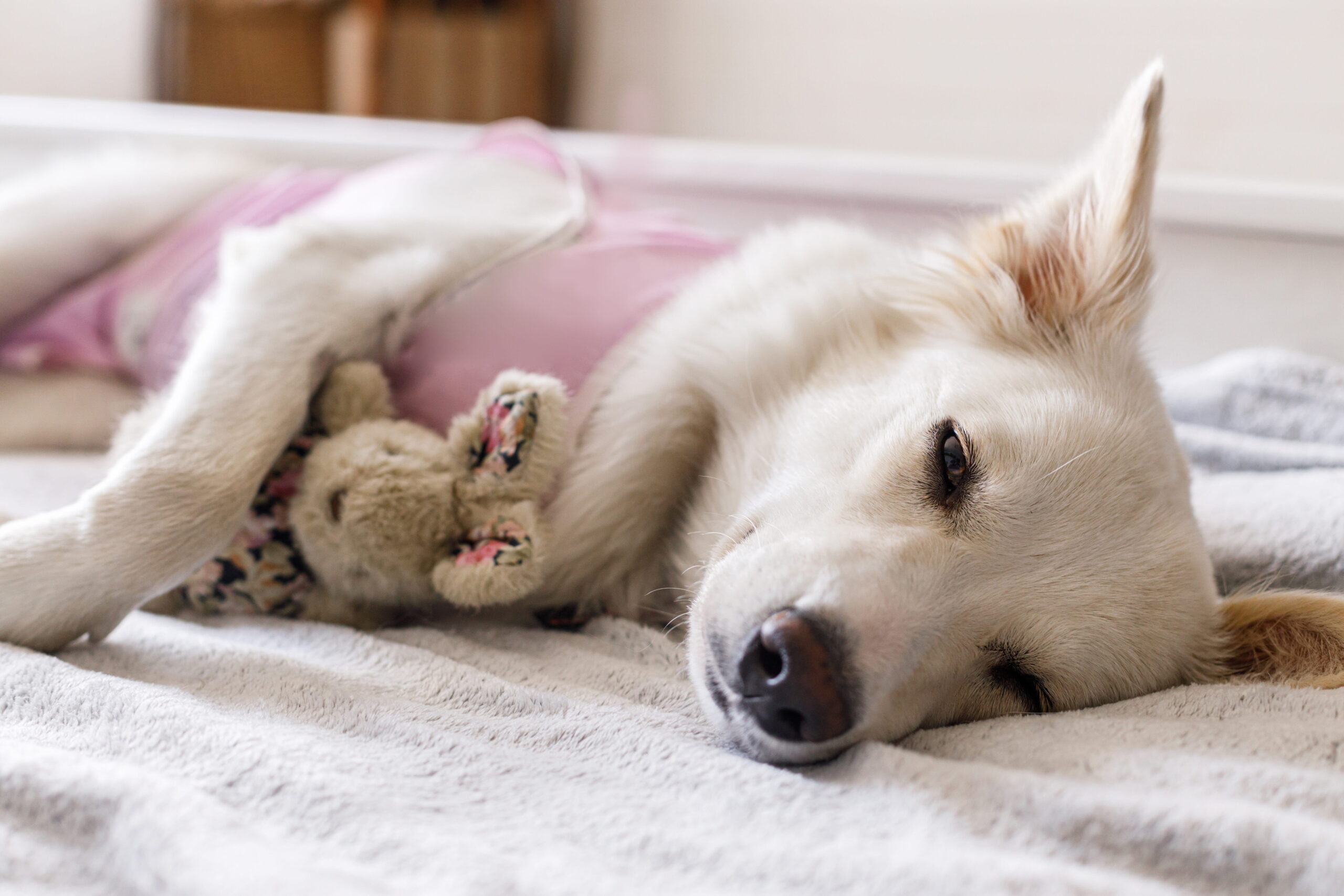
Most pets heal in 10 to 14 days. Your pet may be groggy the first evening and back to normal energy within a day or two, which is exactly why the next two weeks take some discipline. Spay surgery recovery and neuter recovery follow the same basics:
- Leash walks only, with no running, jumping, or rough play
- Keep the incision clean and dry, so no baths or swimming
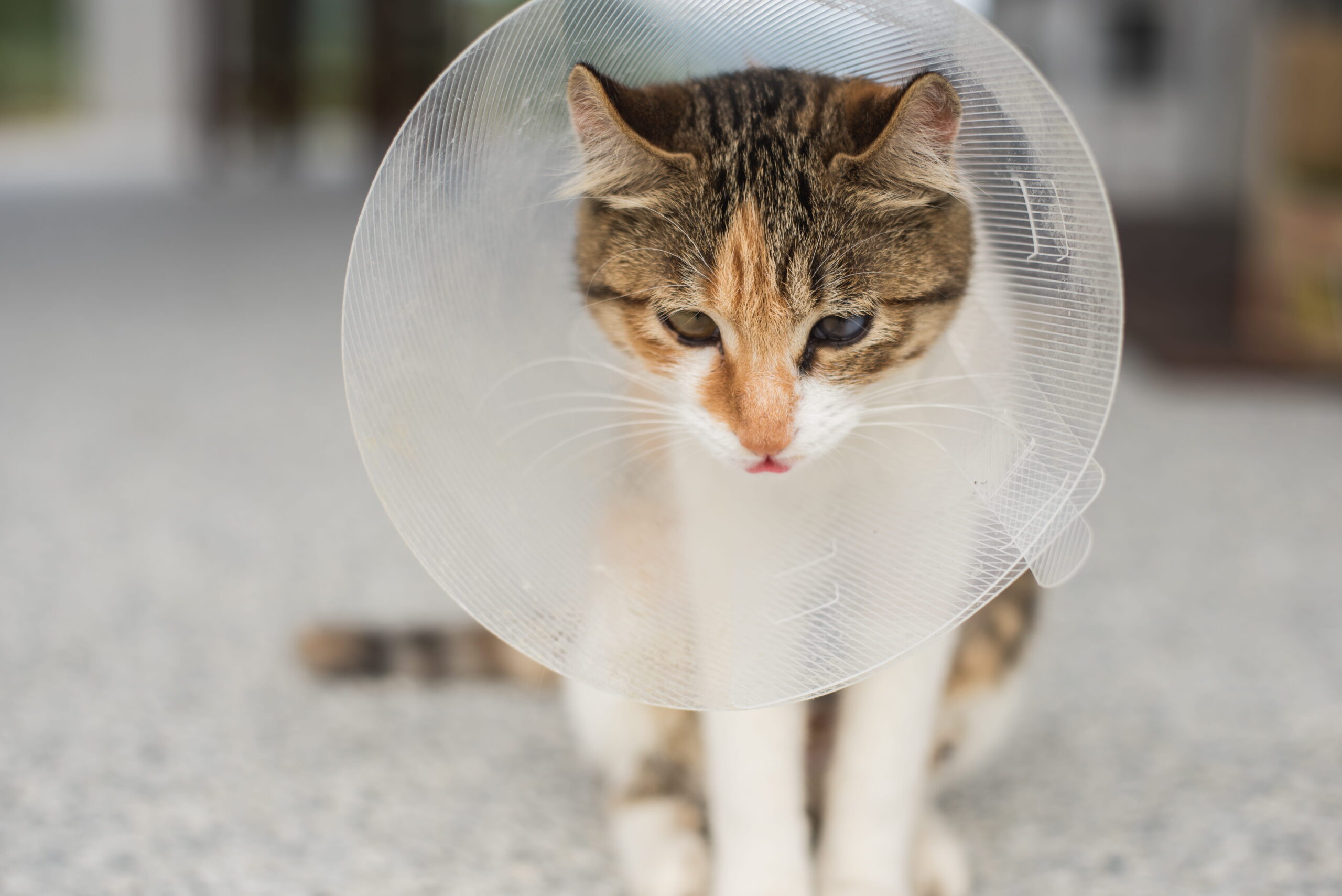
- Use a cone or recovery suit to stop licking
- Look at the incision daily for redness, swelling, or discharge
We’ll check in with you during recovery, and we’re glad to see your pet sooner if the incision looks off.
Will Spaying or Neutering Change My Pet's Personality or Weight?
Your pet’s personality stays the same, but metabolism slows a bit, so weight is worth watching. The goofy, cuddly, or stubborn traits you love come from who your pet is, not from reproductive hormones. What usually changes are hormone-driven habits like roaming, marking, and yowling during heat, and most families are happy to see those go. Weight gain is real but easy to manage, since sterilized pets tend to need fewer calories. We’ll suggest food amounts at follow-up visits, and our nutritional counseling can help if the scale starts creeping up.
How Much Does It Cost to Spay or Neuter a Pet?
The cost depends on your pet’s species, sex, size, and age, so we give every family a personalized estimate. The biggest factors are:
- Spay or neuter, since spays take longer and usually cost more
- Size, because larger dogs need more anesthetic and medication
- Bloodwork, which is required at 7 and older and optional before that
- Take-home items like pain medication and a recovery cone
Some families compare our estimate with low-cost spay and neuter programs, which do important work, so it’s fair to ask what each quote includes, like IV fluids and dedicated anesthesia monitoring. If you have pet insurance, ask us how it may apply.
Why Choose Hickory Flat Animal Hospital for Spay and Neuter Surgery
Families choose us because surgery happens with a team they already know, in a hospital that has cared for pets in this community for more than three decades. Dr. Lindner started her career here and now owns the practice, and many of our clients have trusted us with one pet after another. We talk through recommendations in the exam room with you and your pet together, so nothing happens behind a closed door without an explanation. The same hospital handles your pet’s vaccines, dental care, and full range of veterinary services, and our pet surgical services also cover mass removals and abdominal procedures if your pet ever needs more.
Let’s Plan Your Pet’s Spay or Neuter Together at Hickory Flat Animal Hospital
If your puppy or kitten is nearing that first-year window, let’s talk it over before the questions keep you up at night. Hickory Flat Animal Hospital has been a trusted choice for spay and neuter in Canton, GA since 1993, and our practice and Dr. Lindner were named Best of Cherokee in both 2025 and 2026. You can drop off as early as 7:30 AM, and we’ll call you as soon as surgery is done. Contact our Canton office or call 770-345-2816 to set up a pre-surgery visit. What feels right for your family? We’ll figure it out together.